Solutions for households

Everyone can contribute to a cleaner
environment without extra effort.

Responsible behavior starts at home. At our collection points across Slovenia, we provide easy recycling of paper, metals, and other materials, and we work with kindergartens and schools to raise awareness.

How to recycle properly

Effective waste separation requires knowledge of specific rules for each
type of material. Our practical guide helps you take the right step for a better
sustainable future.
What goes into it?

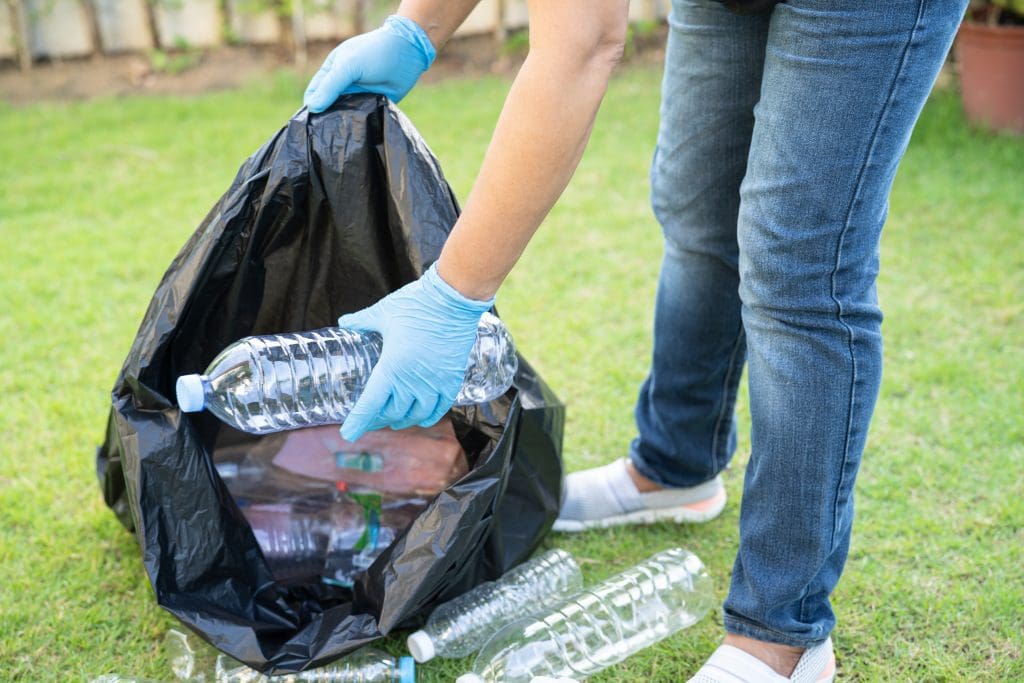
  • Plastic packaging: bottles, pots, foil, bags, caps.
  • Metal packaging: cans, preserves.
  • Composite packaging: tetrapak (packaging for milk, juices), packaging for tea and coffee.

What doesn't belong?

  • Biological waste.
  • Mixed municipal waste (e.g. diapers, dirty paper).
  • Construction waste (sand, mud, pipes).
  • Electronic equipment (e.g. old batteries, light bulbs).
  • Textiles and footwear.

What goes into it?

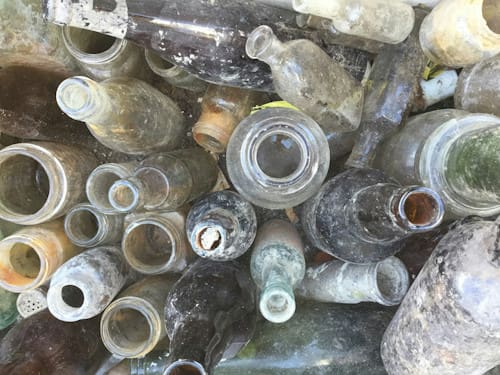
  • Beverage bottles.
  • Glass jars.
  • Glass packaging from cosmetics.

What doesn't belong?

  • Porcelain, ceramics.
  • Window panes, mirrors.
  • Light bulbs and fluorescent tubes.
  • Plastic and metal packaging.
  • Glass with food or liquid residue.

What goes into it?

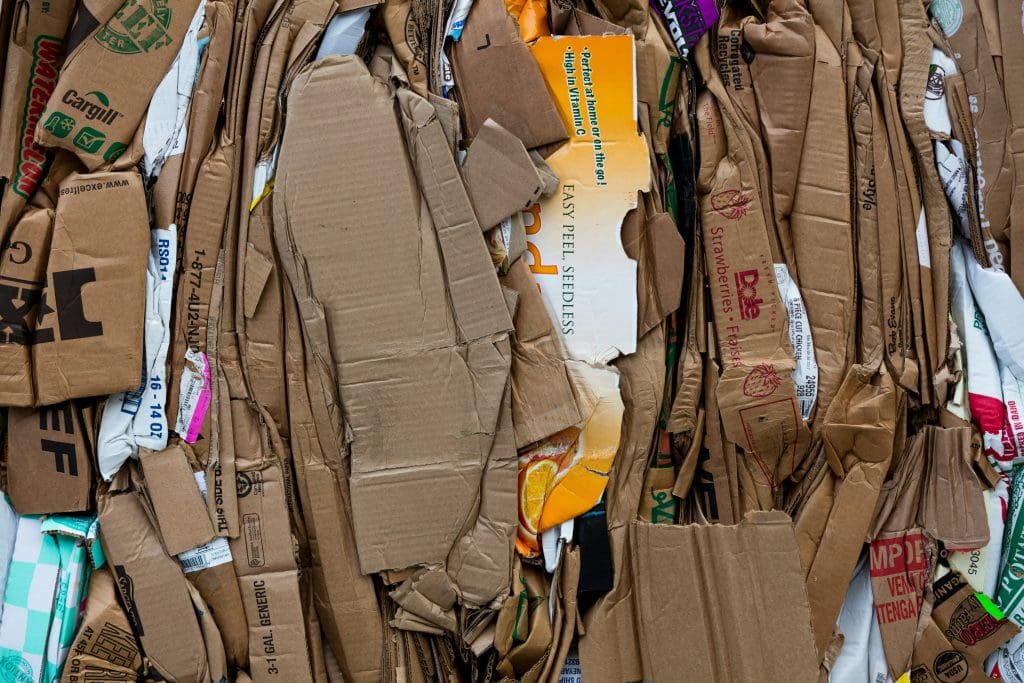
  • Newspapers, magazines, notebooks.
  • Cardboard packaging (e.g. shoe boxes).
  • Writing paper, envelopes.

What doesn't belong?

  • Soiled or greasy paper (e.g. baking paper, paper towels).
  • Plastic foil, bags.
  • Tetrapak packaging (e.g. for milk and juices).
  • Hardcover books (remove covers first).

What goes into it?

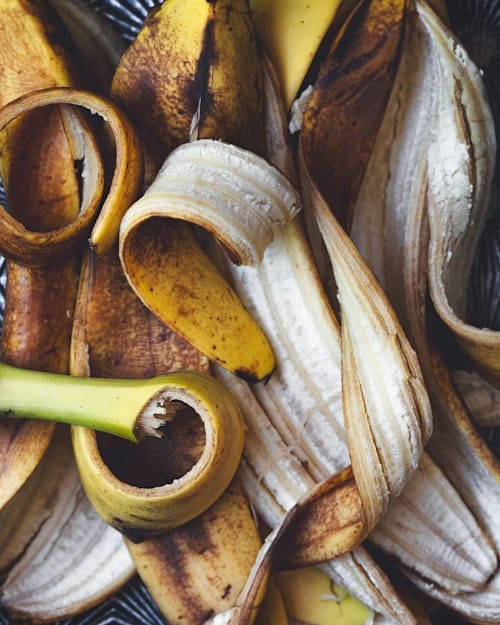
  • Kitchen waste (fruit and vegetable scraps).
  • Coffee and tea filters, bags.
  • Garden waste (grass, leaves, small branches).
  • Eggshells, paper tissues, napkins.

What doesn't belong?

  • Diapers and sanitary napkins.
  • Plastic, metal, glass.
  • Construction waste.
  • Animal feces and dead animals.
  • Cooking oil (e.g. from frying).

What goes into it?

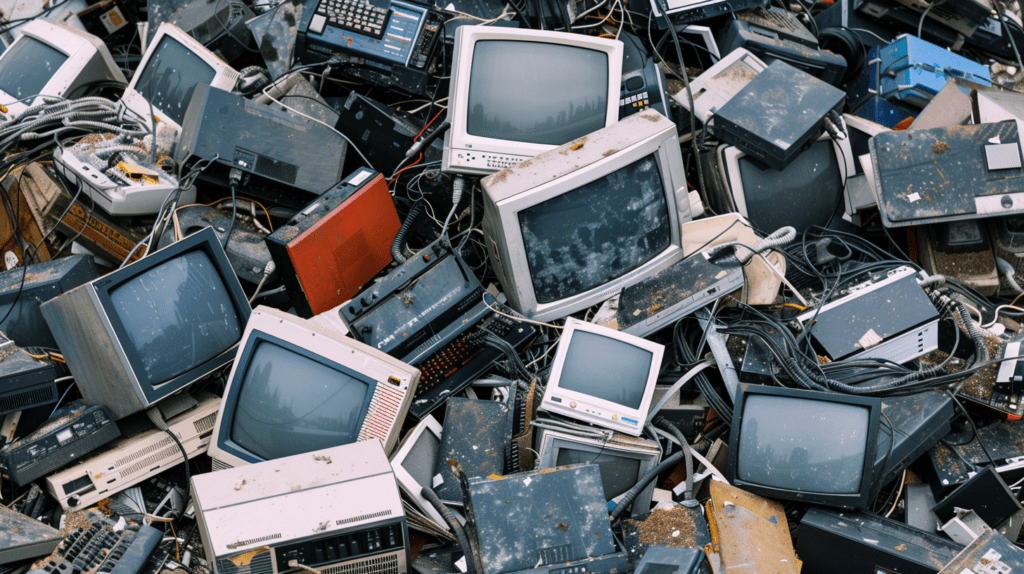
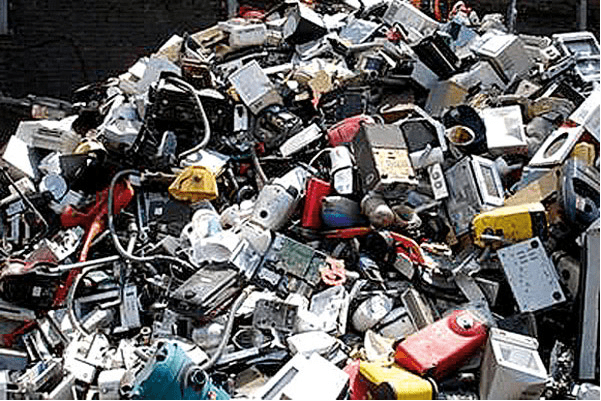
  • Small household appliances (hair dryers, heaters, scales, vacuum cleaners)
  • Electronics (phones, tablets, computers, monitors, televisions)
  • Kitchen appliances (blenders, food processors, water heaters)
  • Electric tool
  • Light bulbs, LED lights, fluorescent tubes

What doesn't belong?

  • Packaging from appliances
  • Ordinary household waste
  • Textiles, toys, furniture
  • Batteries and accumulators
  • Building material
  • Large household appliances (refrigerators, freezers, washing machines, ovens)
    These are bulky electrical appliances and must always be collected by a collection center or utility company.

What goes into it?

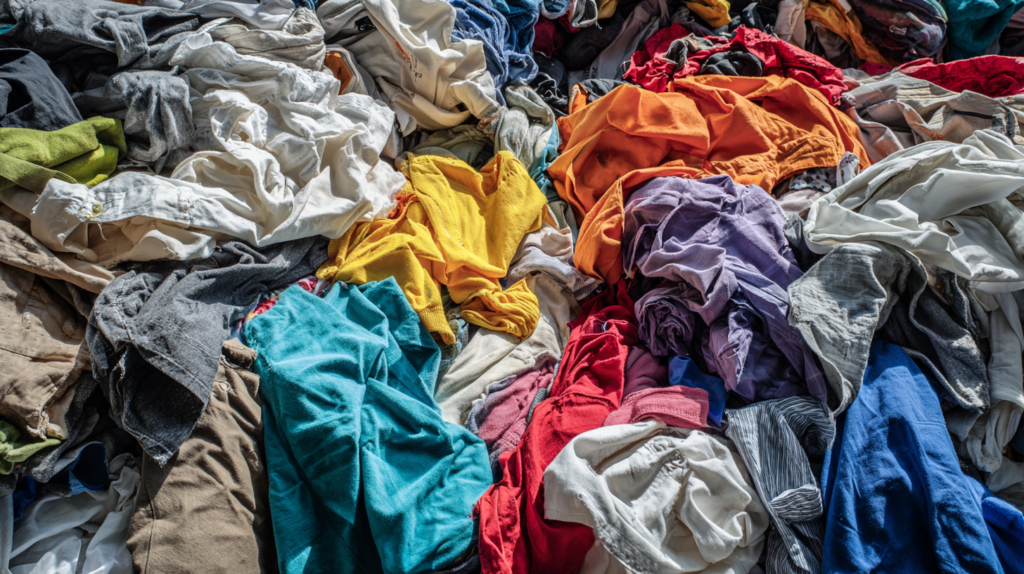
  • Clothing

  • Bed linen and towels

  • Curtains, tablecloths, tea towels and other household textiles

  • Blankets, bedspreads

  • Shoes

  • Fashion accessories (bags, belts)

What doesn't belong?

  • Wet or dirty clothes

  • Textiles that are soaked in oils, chemicals or other hazardous substances

  • Carpets, mattresses, upholstered furniture

  • Toys and plush toys

What goes into it?

  • Diapers, sanitary napkins.
  • Dirty paper towels and napkins.
  • Small bulky waste (e.g. toys, textiles, shoes).
  • Ashes, cigarette butts.

What doesn't belong?

  • Recyclable materials (plastic, paper, glass, metal).
  • Biological waste.
  • Electronic equipment (e.g. batteries, phones).
  • Hazardous waste (e.g. paints, varnishes, chemicals).

Raw material purchase

In selected centers, we also offer the purchase of useful materials (paper, cardboard, metals).
Highlights:
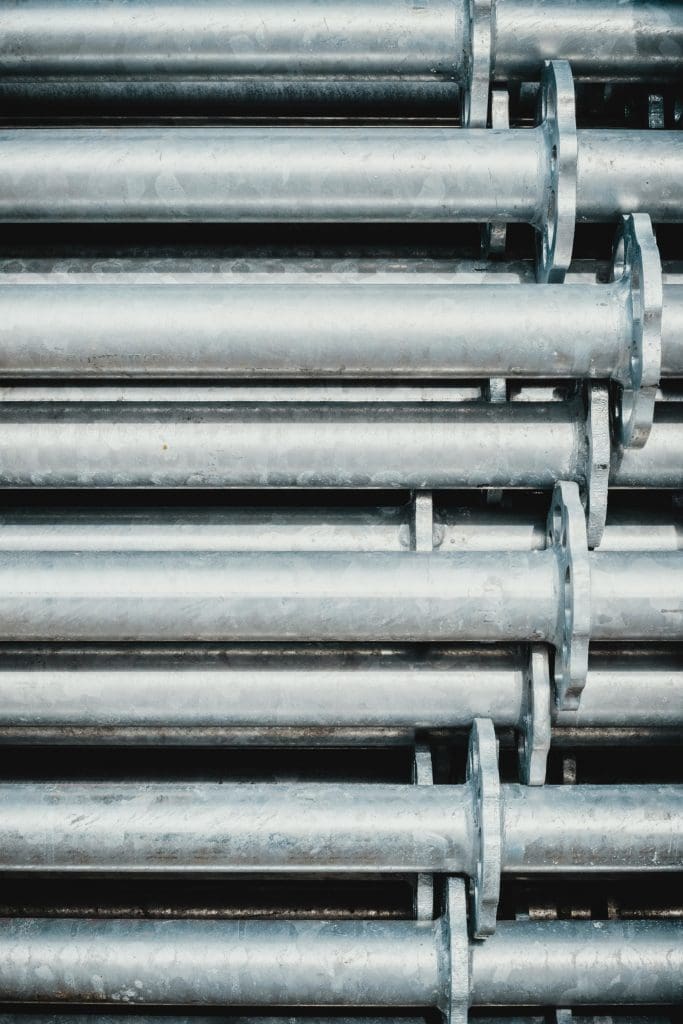
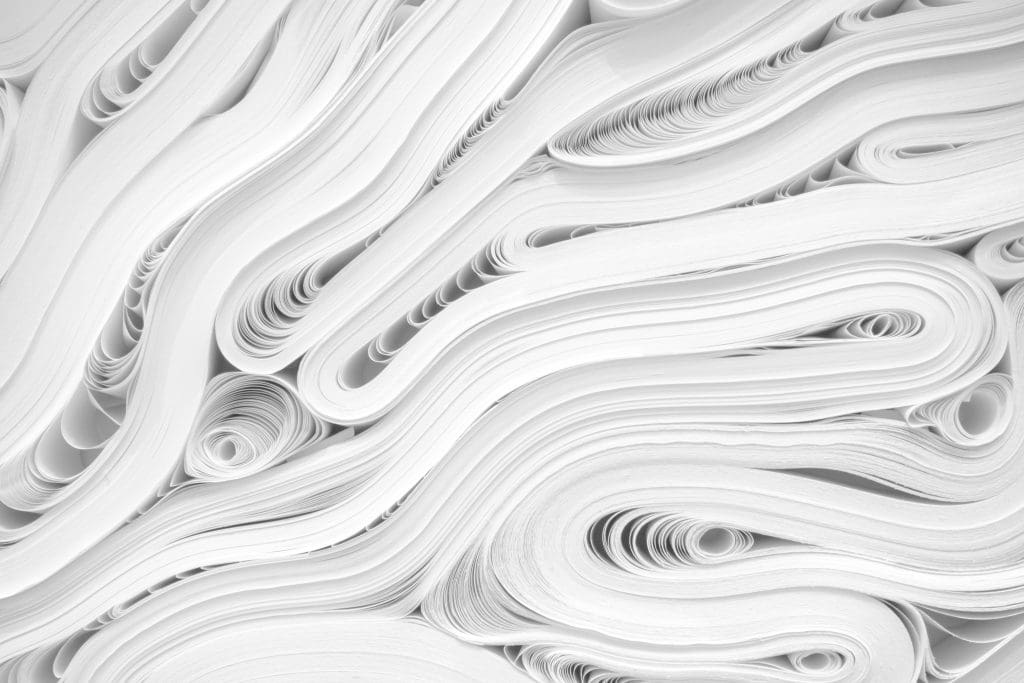
  • transparent purchase prices,
  • fast weighing and payout,
  • possibility of ordering the removal of larger quantities.

News

Latest news and announcements

Stay informed about our sustainability projects and achievements

Partnership for a cleaner future for Slovenia
How we work with local communities to reduce our environmental footprint
Green strategy for urban communities
Introducing a comprehensive plan for sustainable municipal waste management
Innovative approaches to recycling in industry
Discover our latest technological solutions for efficient waste management

Collection points in your area

Clear and easy access to the nearest collection points. Discover where you can
dispose of your waste responsibly.

Frequently asked questions

Answers to the most frequently asked questions about waste management and recycling.

How often is separate waste collected?
Separate waste collection takes place weekly or fortnightly, depending on the local community and the type of waste.

Where to dispose of hazardous waste?
You can drop off hazardous waste at special collection points or as part of organized hazardous waste collection campaigns.

What can I do with larger waste?
You can drop off larger waste, such as furniture or electronic equipment, at our collection centers or order a pickup.

Can I get a recycling certificate?
Certificates of proper waste separation and recycling are available for individual customers and companies.

How to reduce waste?
We recommend purchasing products with minimal packaging, multiple uses, and thoughtful shopping.

Do you have any more questions?

Send us an inquiry and we will be happy to
help you.